Italy · Cities
Piedmont · the first capital of Italy
Turin
Royal palaces, the Egyptian Museum and historic cafés under the arcades.
Piedmont · the first capital of Italy
Turin
Royal palaces, the Egyptian Museum and historic cafés under the arcades.
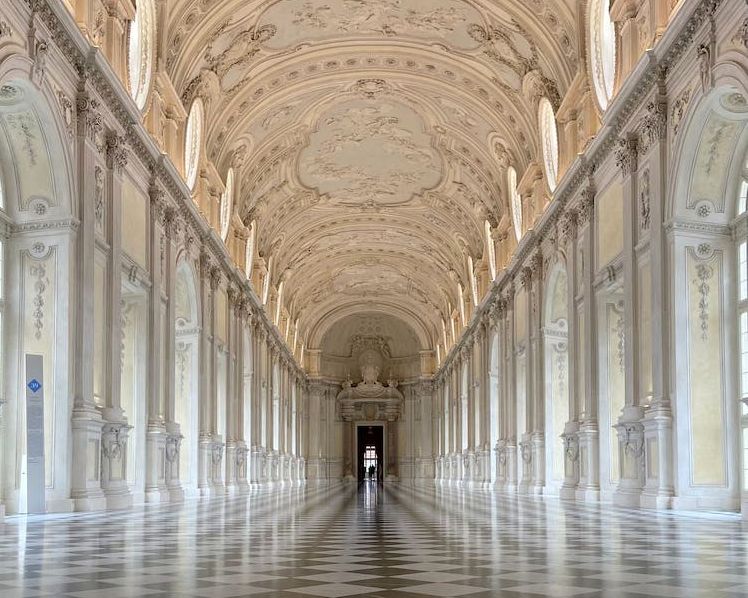
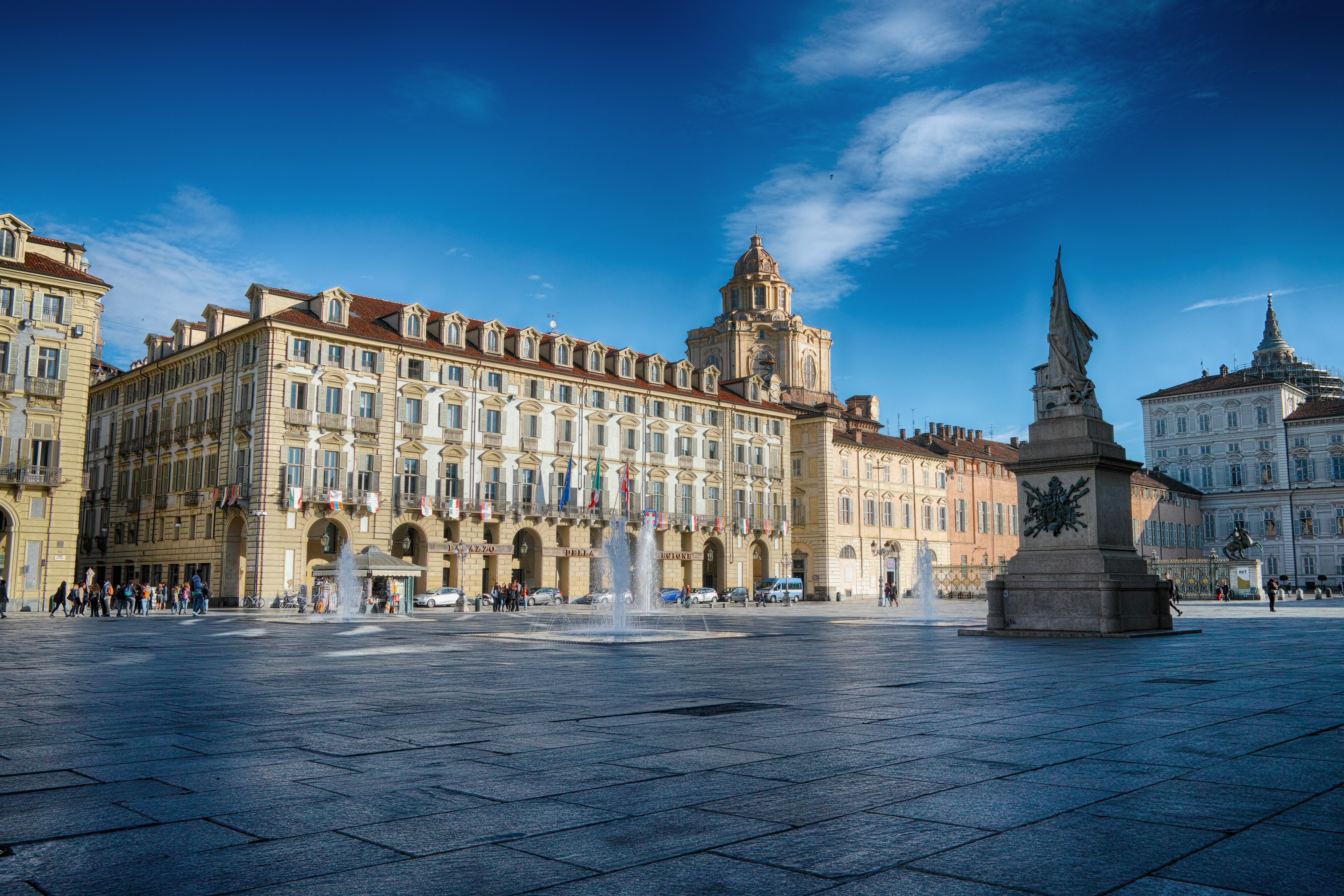
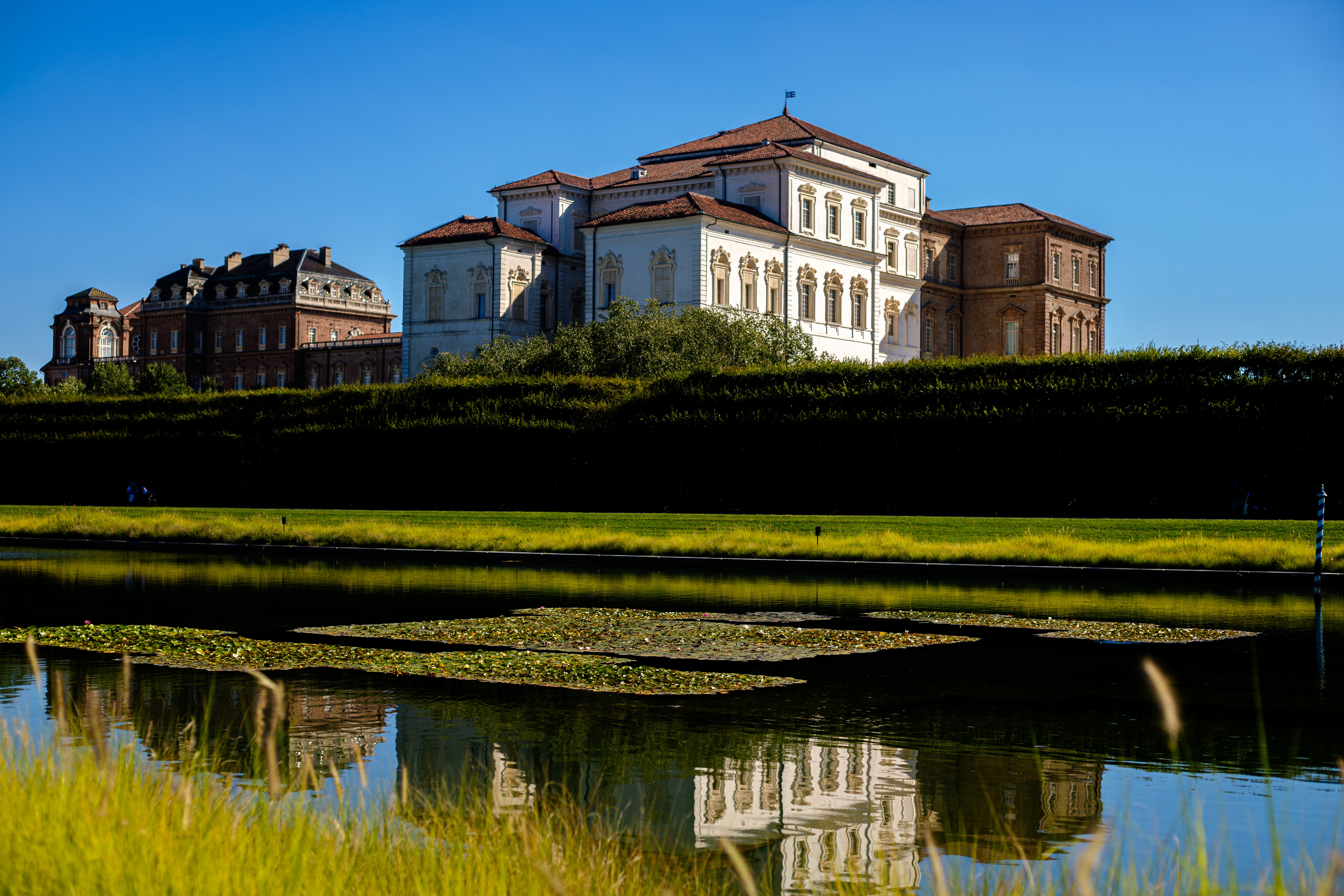
Turin was the city of the House of Savoy and the first capital of united Italy. Its royal residences, a UNESCO World Heritage site, include the Royal Palace on Piazza Castello and, just outside the city, the Reggia di Venaria Reale and the hunting lodge of Stupinigi. The Egyptian Museum is among the most important in the world. The city keeps the regular grid of the Roman camp from which it grew, with long straight streets and wide squares.
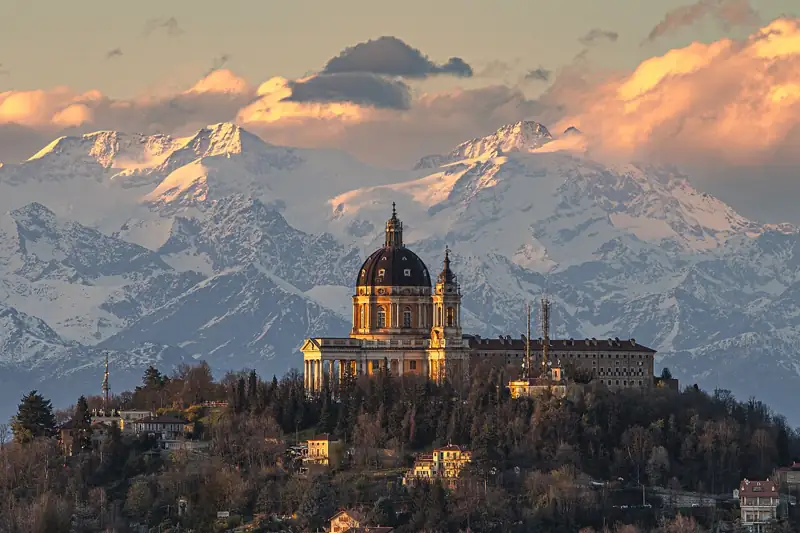
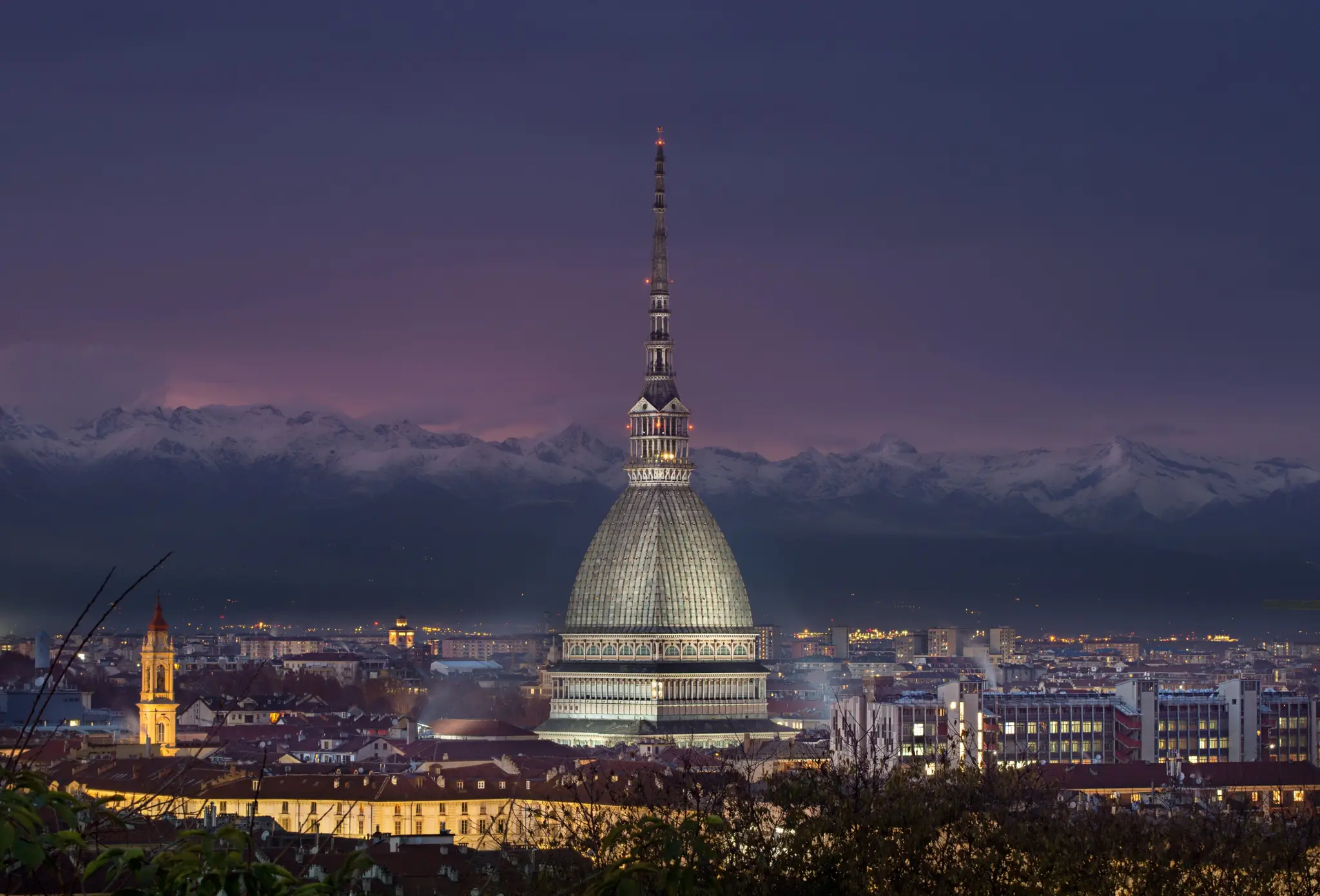
The Mole Antonelliana, the symbol of the city, houses the National Cinema Museum, and a lift climbs to a terrace with views over the roofs and the Alps. The cathedral keeps the Holy Shroud, shown to the public only on rare occasions. On the hill across the Po stands the basilica of Superga.
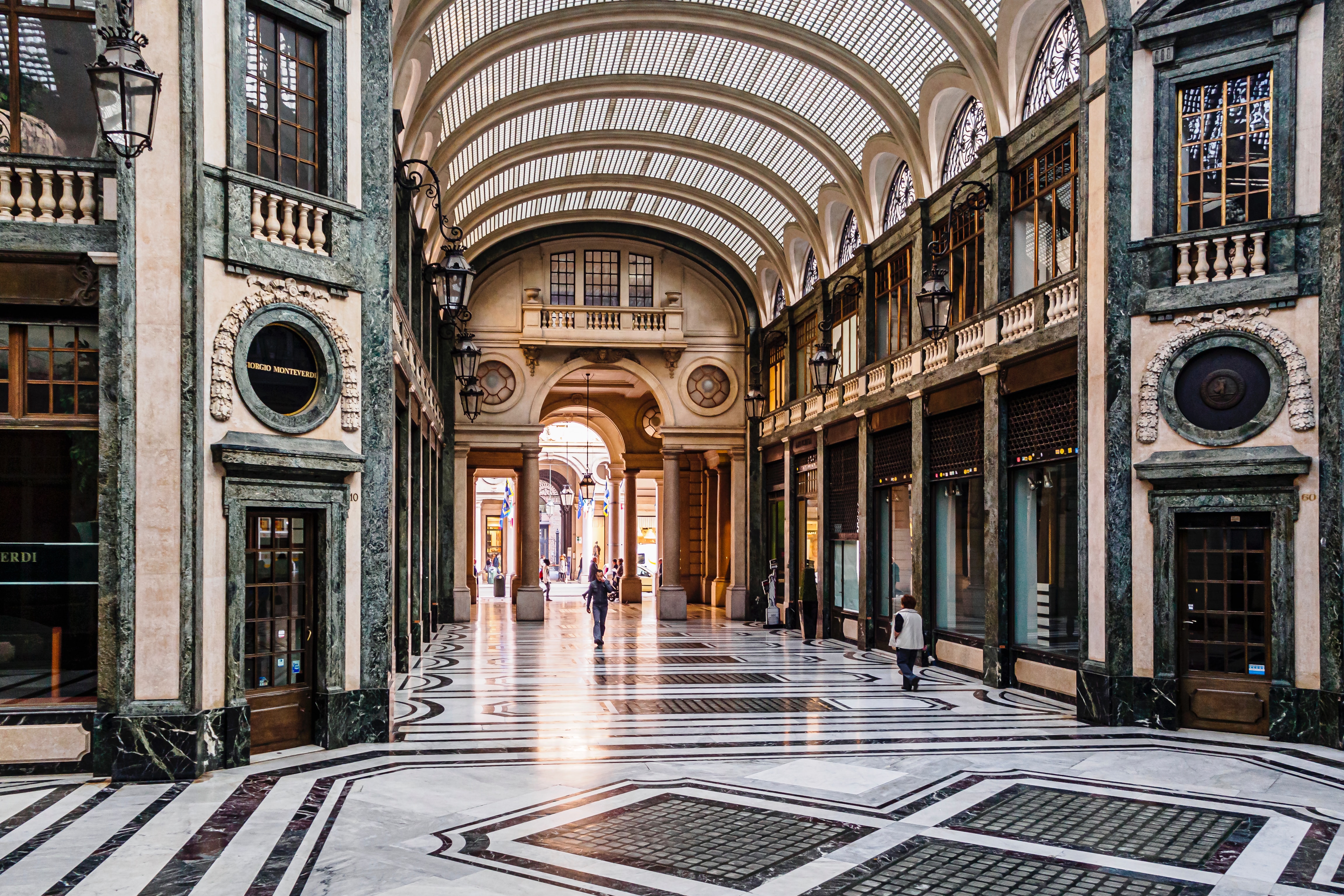
Kilometres of arcades link the squares, such as Piazza San Carlo, and the historic cafés, where the bicerin, a drink of coffee, chocolate and cream, is served. Turin has a long tradition of chocolate, including the gianduiotto, and vermouth was first produced here in the eighteenth century, which makes the aperitivo a local ritual.
South of the city lie the Langhe, Roero and Monferrato, whose vineyard landscapes are a UNESCO site: the land of Barolo and Barbaresco, and of Alba, known for the white truffle. Autumn, with the harvest and the truffle season, is the best time for the hills; spring suits both the city and the countryside. Milan is about an hour away by high-speed train. In winter, the ski resorts of the western Alps are within reach.
We book hotels in the centre, private guides and days among the vineyards of the Langhe.
Gallery