Austria · Villages
Carinthia
Heiligenblut
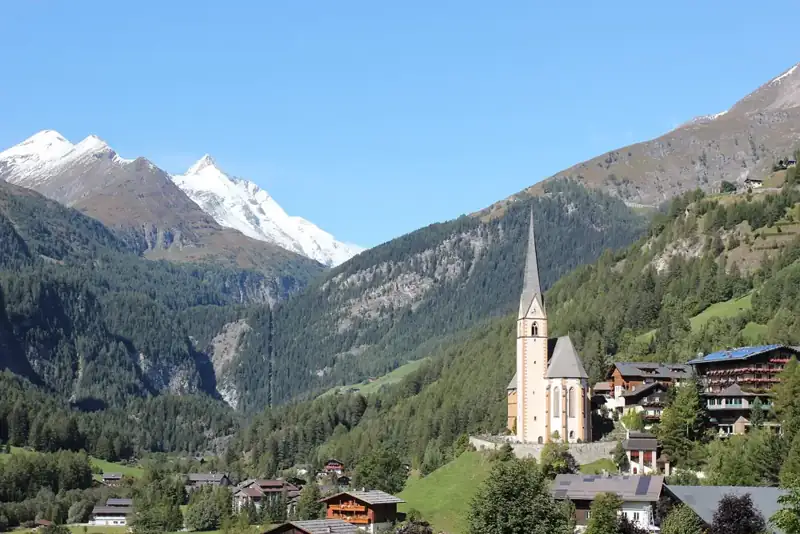
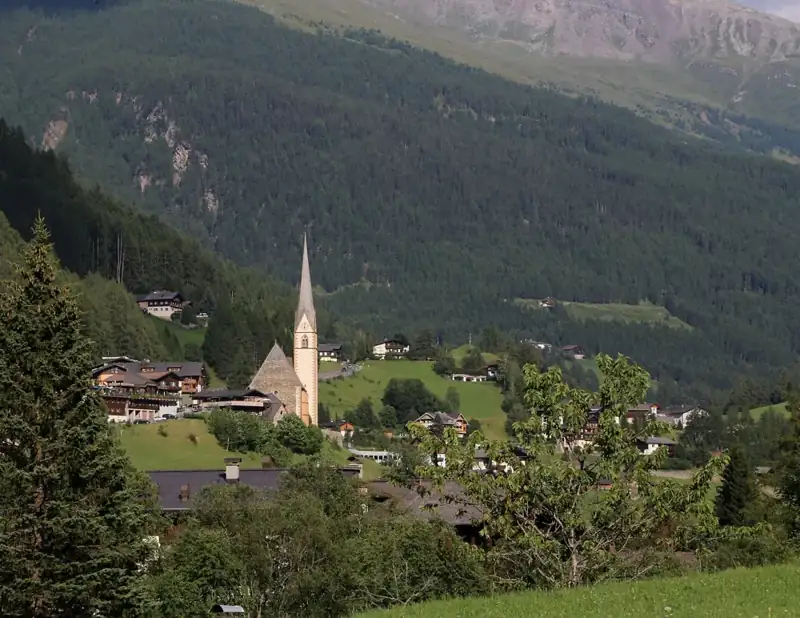
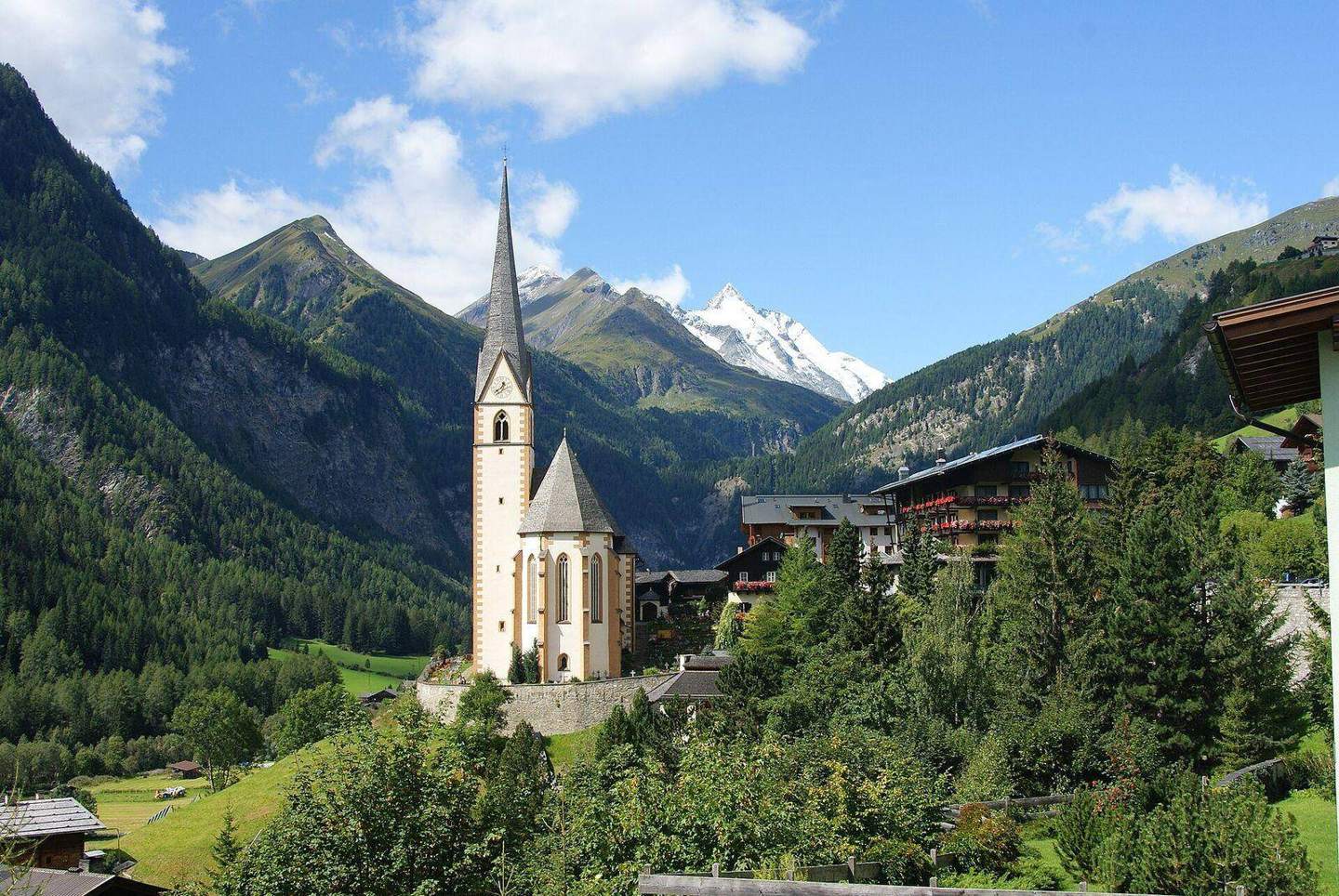
A church spire against the Grossglockner, at the start of the High Alpine Road.
Carinthia
Heiligenblut
A church spire against the Grossglockner, at the start of the High Alpine Road.
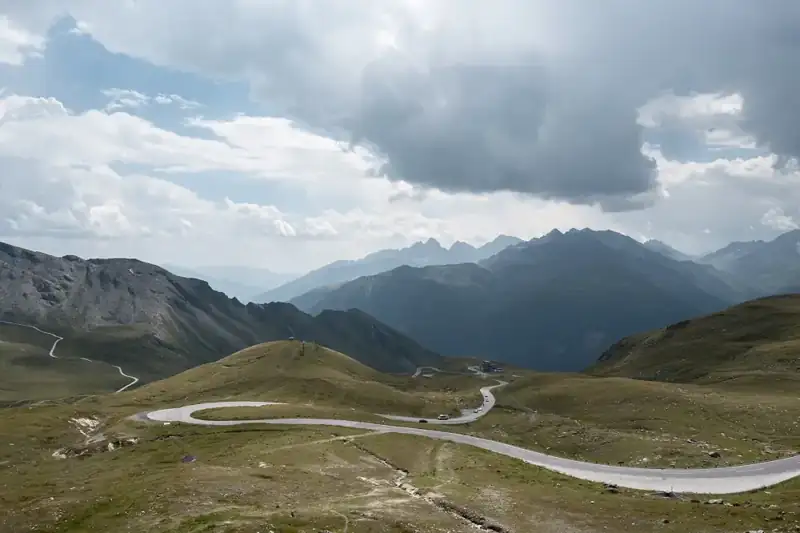
Heiligenblut, in Carinthia, lies at the foot of the Grossglockner, at the southern end of the High Alpine Road. The village takes its name from a relic of holy blood that, according to legend, was brought here in the 10th century by a traveller from Constantinople.
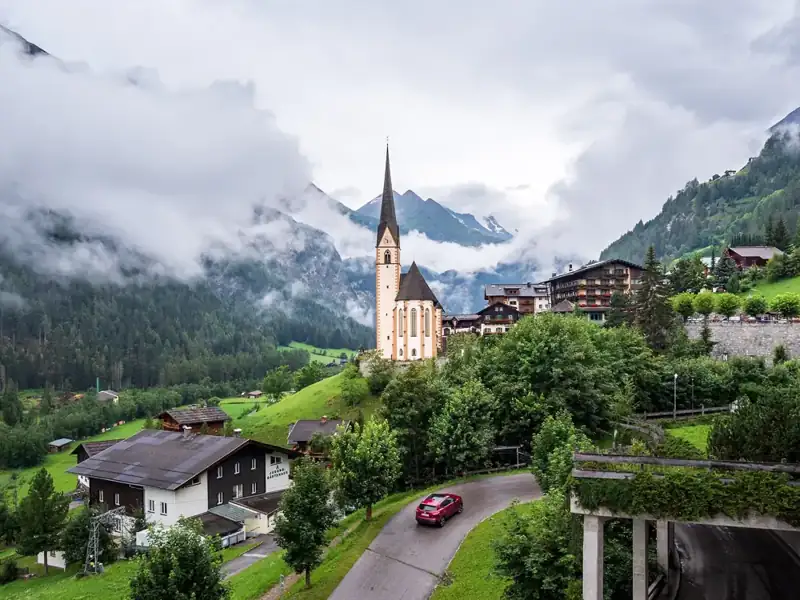
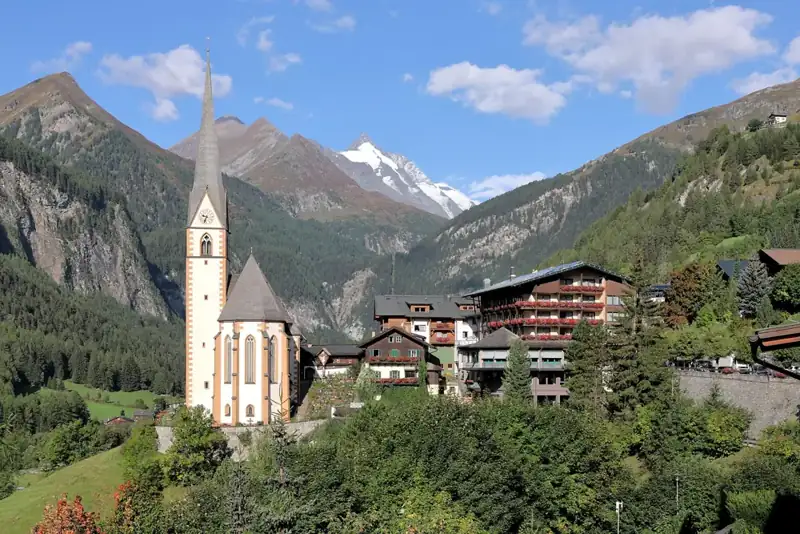
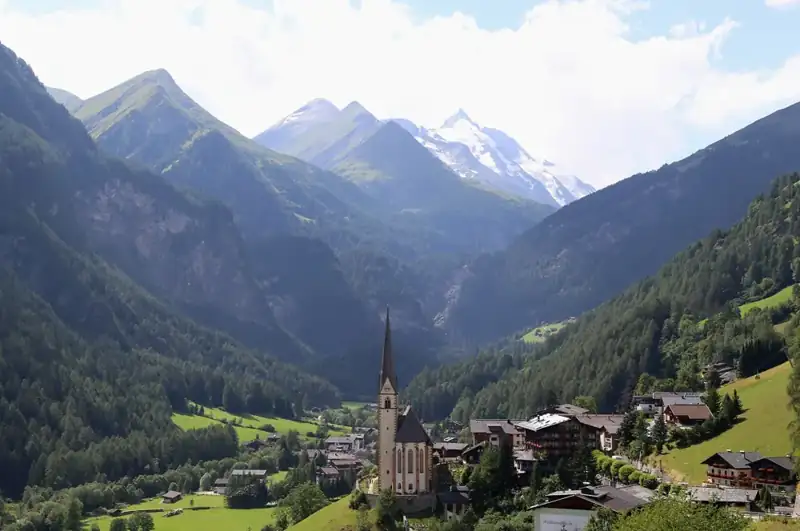
The slender spire of its pilgrimage church, with the Grossglockner behind it, is one of the best-known views of the Austrian Alps. The Gothic church holds a carved winged altar and the shrine of the relic, and its small cemetery looks out over the valley and the mountains.
The village is a base for the Hohe Tauern National Park, with paths along streams, alpine pastures and larch woods. In the valleys around, gold was mined for centuries, and gold panning is still possible for visitors in summer.
In winter the ski area of the Schareck offers quiet slopes with views of the Grossglockner, and the village is a place for walks in the snow and ski touring with a guide. In summer the High Alpine Road brings many visitors during the day; mornings and evenings are calm.
The village is small, with hotels and inns along its few streets and farms on the slopes around it. Mountaineering has deep roots here: the expedition that made the first ascent of the Grossglockner in 1800 set out from Heiligenblut. Walks of every level start from the village, from easy paths along the Möll river to longer routes towards the glaciers. The light in the morning, when the sun strikes the summit, is the best time for the classic view of the church.
We combine Heiligenblut with the High Alpine Road and walks in the Hohe Tauern National Park, and book hotels, mountain guides and private drivers.
Gallery