Austria · Villages
Salzkammergut · UNESCO
Hallstatt
Houses on a narrow strip between the lake and the mountain, and one of the oldest salt mines in the world.
Salzkammergut · UNESCO
Hallstatt
Houses on a narrow strip between the lake and the mountain, and one of the oldest salt mines in the world.
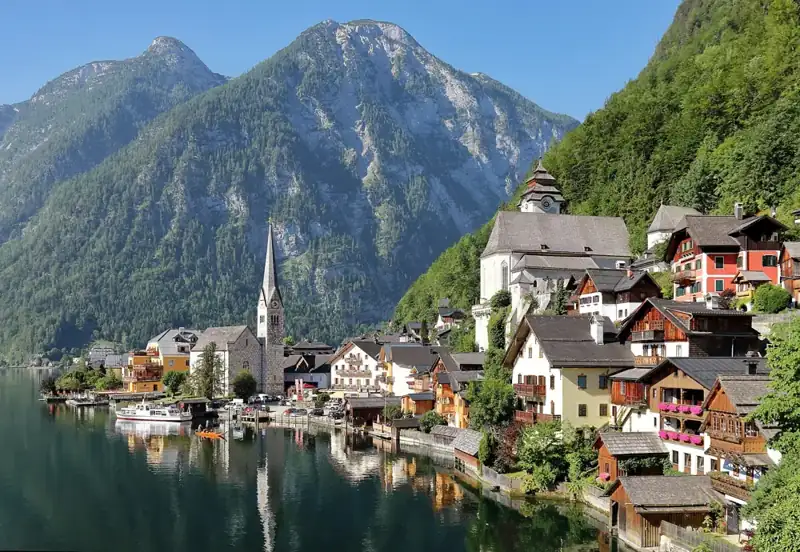
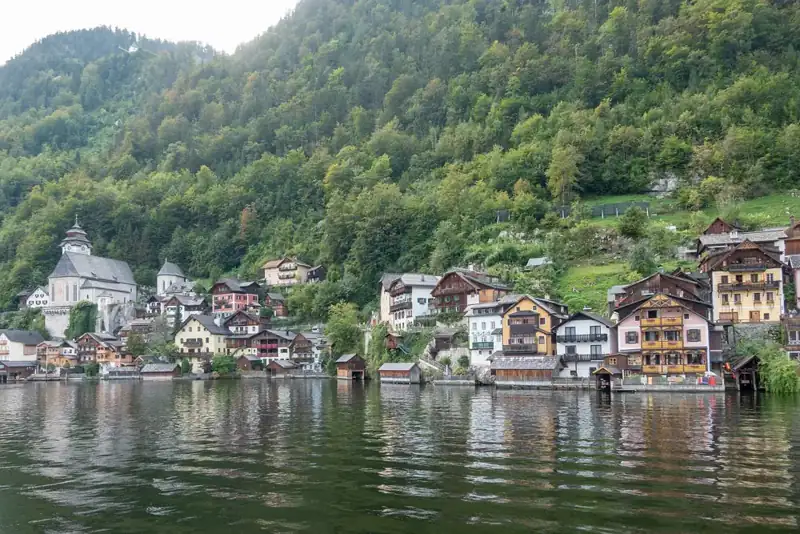
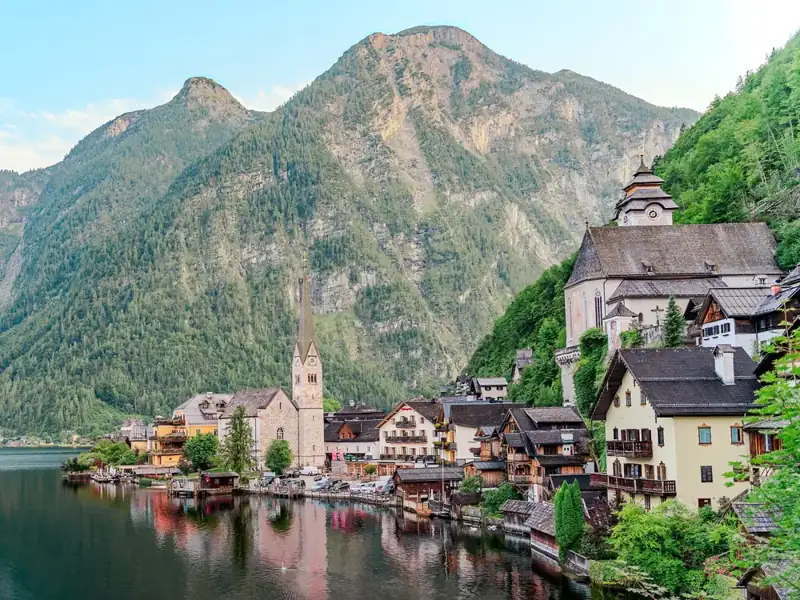
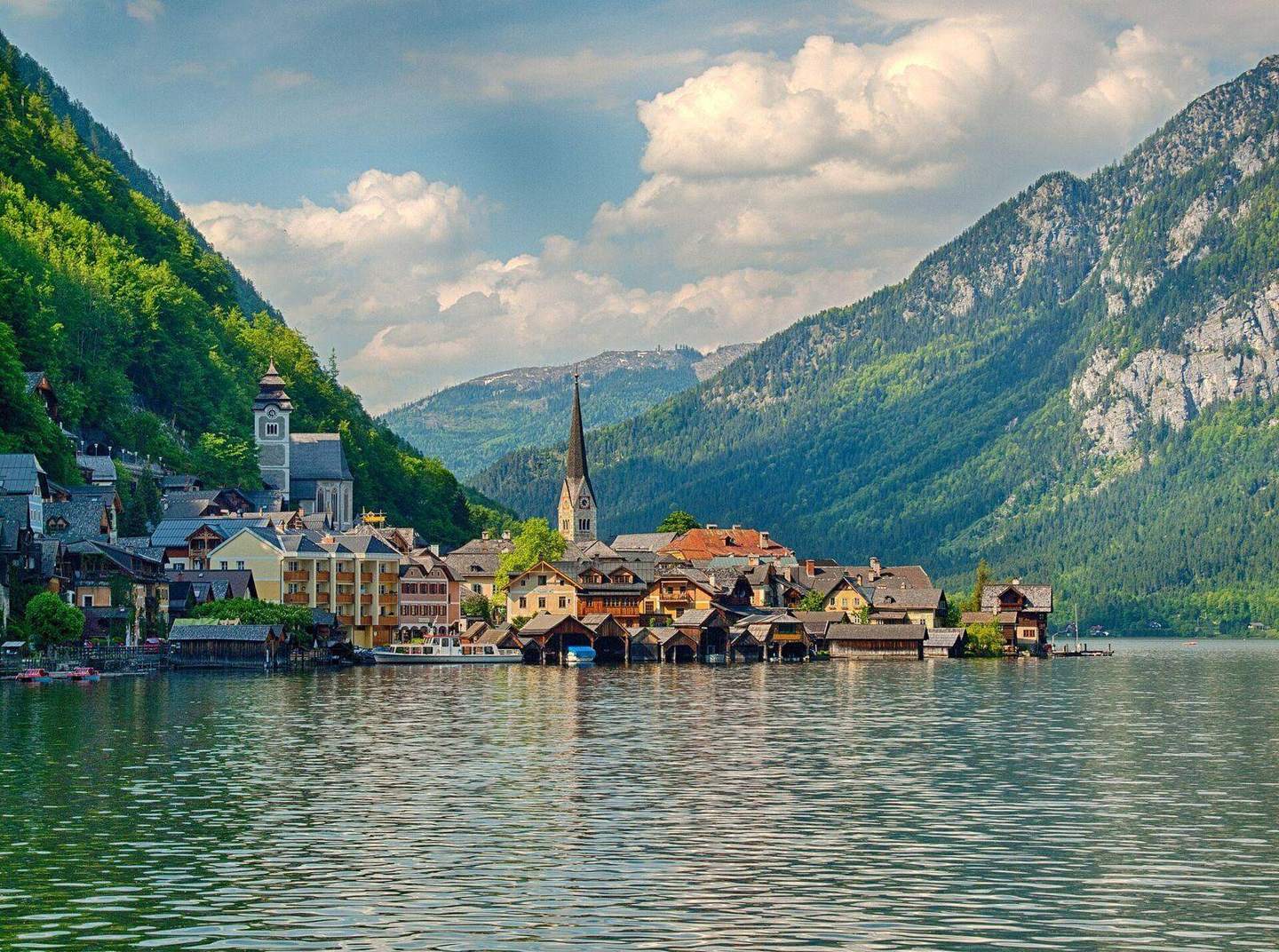
Hallstatt lies on a narrow strip of land between Lake Hallstatt and the mountain, with houses that seem to rise from the water. It is part of the UNESCO cultural landscape Hallstatt-Dachstein/Salzkammergut, and for centuries it could be reached only by boat or by narrow mountain paths.
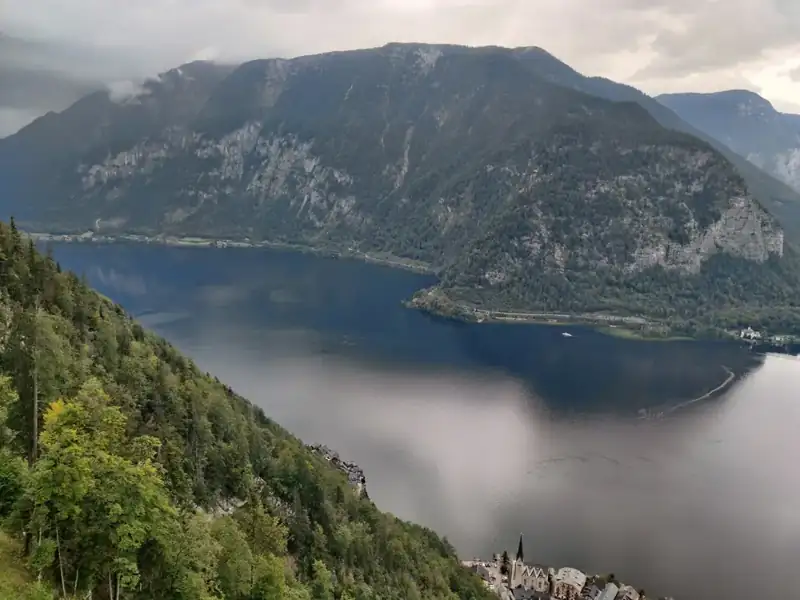
Salt has been mined in the mountain above the village for thousands of years, and the finds in the high valley gave their name to the Hallstatt culture of the early Iron Age. The salt mine can be visited, with wooden slides between the galleries, and a funicular climbs to the high valley, where a viewing platform looks down on the village and the lake.
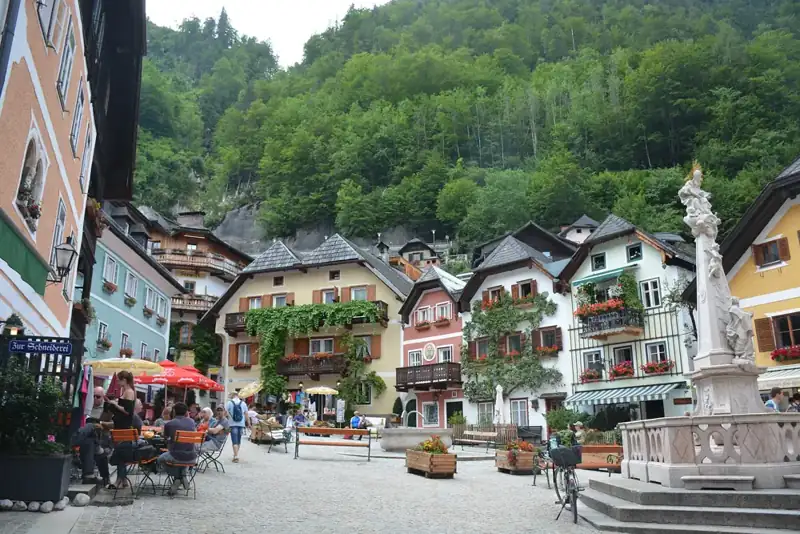
The bone house next to the church holds painted skulls, decorated with names, dates and flowers, a custom born from the lack of space in the small cemetery. The Catholic and the Protestant churches, the market square and the lanes that climb between the houses can be seen in a short walk; a museum explains the long history of the place.
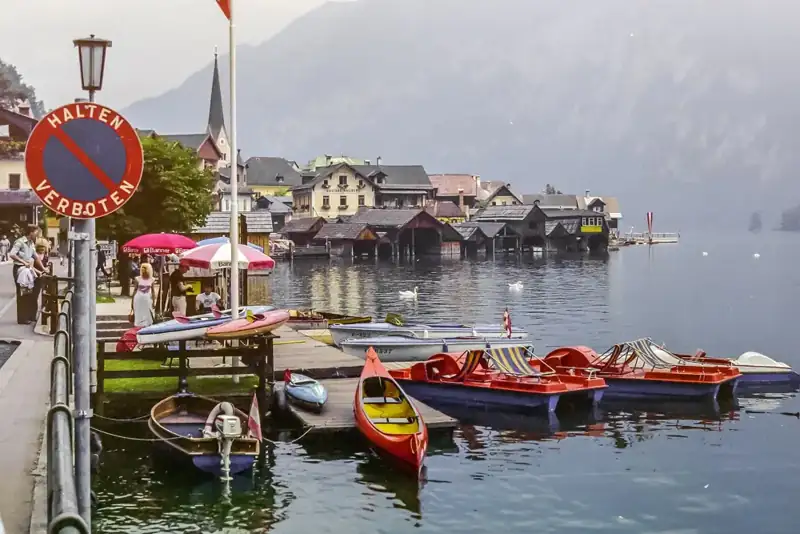
Hallstatt is crowded in the middle of the day, especially in summer. Early morning and evening, when the day visitors have left, show a quieter village, and the light on the lake changes with every hour. Autumn and early winter are calm, and in winter snow often covers the roofs. For a calmer stay, the villages around the lake, such as Obertraun and Bad Goisern, offer hotels within easy reach of Hallstatt, and the boat crossing from the station is a pleasant way to arrive.
We arrange visits in the quieter hours, the salt mine and the Dachstein caves, boat trips and stays in the area, in Hallstatt itself or in the villages around the lake.
Gallery